
Key Takeaways
- Significance of upkeep for drilling operations prior to cold weather
- Actions for successful drilling upkeep before winter arrives
- Optimal techniques for maintaining wells during the winter season
- Efficient strategies for maintenance throughout the winter months
Importance of Drilling Maintenance Before Winter
Preparing for colder months through diligent drilling maintenance before winter is crucial for the longevity and efficiency of drilling operations. Well drilling activities, including horizontal drilling and geothermal drilling, require optimal performance from drilling rigs and machines. Routine maintenance ensures that all components, such as hydraulic equipment and drill pipes, are in top condition to withstand temperature fluctuations. Implementing effective maintenance practices protects against equipment failures, enhances safety, and minimizes the risk of delays in operations. Proper upkeep of drilling fluids is also essential, as they can be affected by freezing temperatures. Anticipating these seasonal challenges reinforces the importance of planning for effective drilling maintenance before winter strikes.
- Regularly inspect all drilling equipment for wear and tear.
- Ensure that hydraulic systems are well-maintained and free of leaks.
- Check and replace drill pipes as necessary to prevent breakage.
- Monitor and adjust drilling fluids to prevent freezing and maintain viscosity.
- Store equipment in a climate-controlled environment when possible.
- Train staff on winter-specific maintenance procedures and safety protocols.
- Create a scheduled maintenance plan that includes pre-winter checks and repairs.
Understanding Seasonal Challenges
Winter weather poses significant challenges for drilling operations, especially during the harsher months. Winter storms can lead to snow accumulation, which may impact visibility and accessibility at oil rigs. Lower operating temperatures have a direct effect on hydraulic systems, potentially causing hydraulic oil to thicken and affecting the functionality of hydraulic pumps. This transition calls for proactive drilling maintenance before winter to ensure that all equipment, such as drill bits and plumbing systems, operates effectively under changing conditions.
Worker safety remains a critical concern during the winter months. The risks associated with icy surfaces and unpredictable weather necessitate thorough maintenance of drilling equipment. Proper attention to hydraulic systems before winter helps prevent malfunctions that could occur in extreme cold. Ensuring that oil drills and hydraulic components are in optimal condition is crucial to providing a safe working environment and maintaining productivity throughout the season.
Key Benefits of Pre-Winter Maintenance
Pre-winter drilling maintenance plays a crucial role in ensuring equipment is ready to face the harsh conditions of the season. Conducting thorough inspections of oil rigs, drill bits, and hydraulic pumps helps identify potential issues before they escalate. Proper pipe insulation and the use of insulated pipe help prevent freezing, which can lead to costly repairs and downtime. Implementing preventative maintenance strategies ensures that heating systems remain operational, safeguarding against problems like trench foot and equipment damage during periods of heavy snowfall and ice.
Investing time in pre-winter maintenance significantly enhances the efficiency and lifespan of drilling operations. Well-maintained hydraulics and equipped machinery can handle the rigors of winter better, reducing the risk of failure. An integrated approach to maintenance, which includes reviewing geothermal heating solutions and ensuring proper lubrication, maximizes operational productivity. Regular inspections provide reassurance that all components are functioning optimally, allowing teams to focus on their tasks without the constant worry of unexpected breakdowns.
Steps for Effective Drilling Maintenance Before Winter
Effective drilling maintenance before winter involves a thorough inspection of all drilling equipment to ensure it can withstand the harsh conditions ahead. Special attention must be given to pipes, especially those used in horizontal drilling maintenance, as they are susceptible to freezing. Regular winter maintenance practices should also include checking the foundation drilling equipment for any signs of wear or damage. Proper lubrication of critical components is essential to facilitate careful drilling and maintain optimal performance during winter maintenance activities. A well-planned winter maintenance routine prepares teams for the challenges of drilling in colder months and supports the integrity of water quality and overall drilling operations. Adopting these measures guarantees that drilling efforts remain efficient and effective despite the seasonal challenges.
Inspecting Drilling Equipment
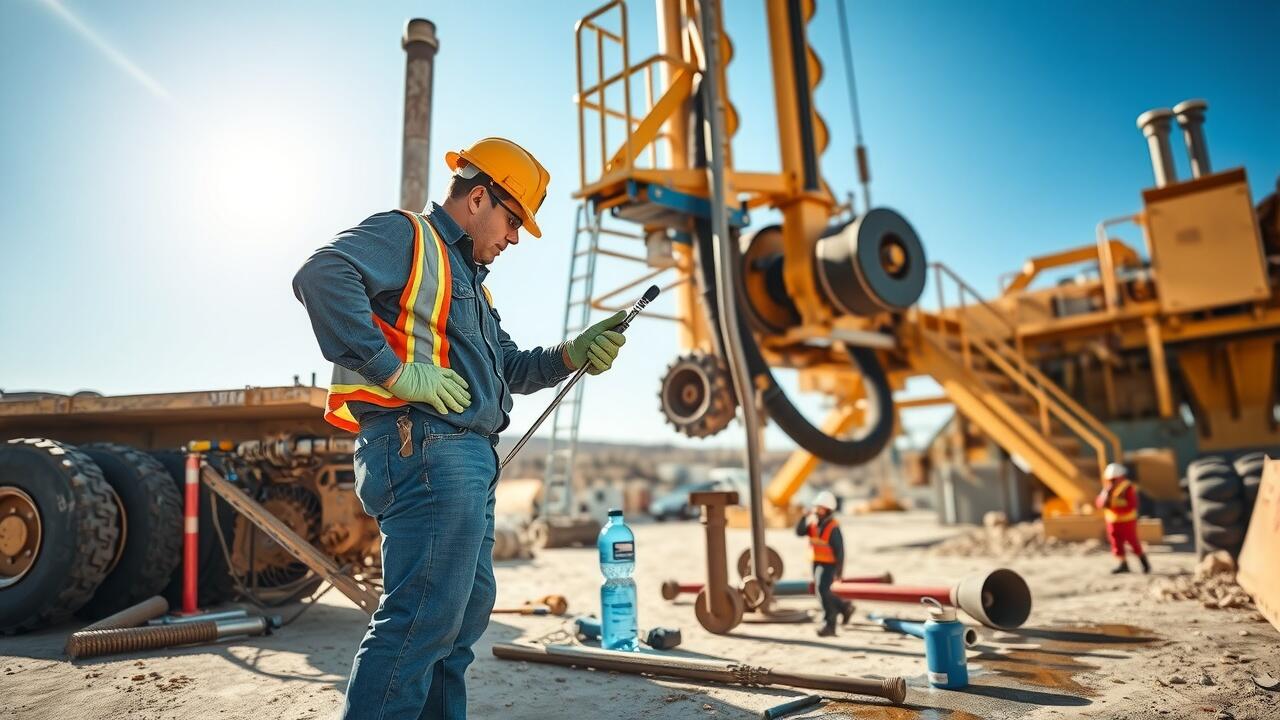
A thorough inspection of drilling rig equipment is essential during drilling maintenance before winter. This process ensures that all components of the drilling mechanism are functioning optimally for upcoming drilling projects. Experienced drill rig operators should assess every aspect, from hydraulic systems to drilling fluids, to guarantee that they can handle the high-impact drilling required for foundation drilling. Identifying potential issues early can prevent costly delays in winter operations and ensure that drilling companies provide efficient well-drilling services.
Attention should be paid to specific components prone to winter hazards, especially in shallow drilling scenarios. Inspecting seals, hoses, and connections helps prevent leaks and ensures that the proper drilling fluid is maintained. This proactive approach safeguards against equipment failures that could disrupt winter projects. Ensuring the integrity of the drilling rig equipment not only supports successful well-drilling outcomes but also enhances overall safety and efficiency during challenging winter conditions.
Ensuring Proper Lubrication
Proper lubrication is crucial for drillers as they prepare for the winter months. Implementing effective winterization techniques ensures that equipment operates smoothly even as temperatures drop. This aspect of drilling maintenance before winter involves applying appropriate lubricants to moving parts, thus preventing frozen pipes and minimizing the risk of breakdowns. Adopting advanced maintenance techniques during this period can significantly extend the life of the equipment while reducing the chances of unexpected failures.
Maintenance practices should include a thorough inspection of lubrication levels in all machinery. Post-drill checks are essential for identifying wear and tear that may compromise performance. Drillers must prioritize ongoing maintenance by ensuring that all parts are well-lubricated, especially those that will be exposed to cold conditions. By managing snow and ice accumulation around drilling sites, drillers can further protect equipment and maintain efficiency throughout the challenging winter approaches.
Winter Well Maintenance: Best Practices
Proper well maintenance during the winter months is vital for addressing winter-specific challenges in the oil field’s winter operations. Effective maintenance includes implementing thorough winterization strategies to protect equipment and structures from harsh winter months. Maintenance workers must conduct overall rig inspections to identify necessary repairs before the icy ground makes access more difficult. Adapting to winter obstacles involves ensuring that proper maintenance practices are followed, including regular checks for any vulnerabilities that the winter weather may exacerbate. By prioritizing drilling maintenance before winter, operators can significantly reduce the risks associated with equipment failures during the cold season.
Protecting Well Structures from Freezing
Preparing well structures for freezing temperatures is crucial in cold climate operations. Effective maintenance strategies should include thorough inspections of the drill head and surrounding structures, ensuring that ice buildup does not compromise their integrity. Maintenance crews must develop robust maintenance strategies that account for understanding winter weather. Implementing ice management techniques and clearing snow regularly can minimize winter-related incidents, reducing the need for extensive repair work during harsh winter weather.
Routine maintenance relies on the proactive identification of vulnerabilities that could lead to freezing. Emphasizing trenchless operations safety is essential while ensuring that all components are insulated against icy conditions. Adopting comprehensive drilling maintenance before winter helps safeguard well structures and maintain optimal functionality, preventing the unexpected disruptions that winter weather can cause. Engaging in these practices not only protects equipment but also enhances overall operational efficiency.
| Maintenance Task | Description | Frequency | Responsible Party |
|---|---|---|---|
| Inspection of Drill Head | Check for ice buildup and structural integrity | Before winter season | Maintenance Crew |
| Ice Management | Implement techniques to prevent ice formation | Regularly during winter | Operations Team |
| Snow Clearance | Remove snow from well structures | As needed during winter | Maintenance Crew |
| Vulnerability Assessment | Identify risks that may lead to freezing | Monthly during winter | Safety Officer |
Maintaining Water Quality During Winter
Cold winter temperatures can significantly impact water quality for drilling operations. Oil rig workers must be vigilant as winter brings challenges like icy terrain and snowy conditions. Regular pre-operational inspections are essential to identify potential cold-weather hazards. Implementing effective drilling maintenance before winter can prevent costly repairs, ensuring that equipment remains functional and that the water quality remains safe for consumption and operational use.
Updating maintenance practices to accommodate seasonal changes is crucial for drilling operations. Employing Western equipment solutions can help adapt to the unique challenges presented by icy grounds. Maintenance tasks should include assessing filtration systems and ensuring that the right drill bit is used for icy terrain. By prioritizing these actions during the winter months, teams can significantly reduce risks associated with cold-weather hazards while maintaining optimal water quality.
Effective Winter Maintenance Strategies
During the colder months, effective winter maintenance strategies become essential for ensuring the reliability of drilling operations. Understanding how cold weather affects equipment is crucial. Routine maintenance tasks, such as fluid maintenance and manual inspections, help maintain optimal operating temperatures for hydraulic systems and hoisting equipment. Engaging in preventative repairs before winter is key to avoiding irregular maintenance that could disrupt construction progress. Implementing proactive maintenance strategies minimizes the hassle of winter downtime, allowing for uninterrupted operations during the harsh conditions. Proper protective equipment must also be utilized to safeguard both equipment and personnel throughout the colder season, reinforcing the importance of comprehensive drilling maintenance before winter.

Regular Monitoring of Equipment
Proactive maintenance plays a crucial role in ensuring the reliability of drilling equipment during the winter season. Regular monitoring of equipment helps identify potential mechanical failures and cold-weather impacts that could lead to costly repairs. Thorough inspections, including a detailed inspection of the hydraulics system, can uncover issues such as ice accumulation and the need for pump repair. Proper management of hydraulic fluids is essential; keeping them warm is necessary to prevent freezing and ensure smooth operation throughout the winter months.
Emergency drills should be part of the routine to prepare for unforeseen equipment failures. This includes checking pipe jackets and assessing the condition of all components to mitigate risks associated with extreme cold. A complete inspection of drilling systems not only enhances safety but also extends the lifespan of the equipment. Implementing consistent drilling maintenance before winter can significantly reduce the likelihood of disruptions and ensure that operations run smoothly despite challenging weather conditions.
Preparing for Adverse Weather Conditions
Adapting to colder weather requires proactive measures, especially for drilling operations. Conducting drilling maintenance before winter is essential to ensure all equipment is functional in a chilly setting. Regular inspections of the rig and emergency equipment are crucial to prevent equipment failure during the cold months. Worker safety must be prioritized by updating work practices that account for the challenges posed by the colder climate. The last inspection should cover all aspects of equipment operations to ensure readiness for the harsh conditions ahead.
Planning for adverse weather conditions involves preparing your new rig for cold weather use. Regular maintenance checks should be a priority, as they help identify potential issues before they escalate. The challenging construction world demands that operators stay vigilant, especially as temperatures drop. Understanding the specific needs of your equipment in colder weather ensures that operations continue smoothly without interruption. Proper preparation not only minimizes risks but also enhances overall efficiency during the winter months.
Conclusion
Prioritizing drilling maintenance before winter is crucial for ensuring the longevity and efficiency of your operations. Regular inspections of rigs and equipment can help identify potential issues that may arise during colder months. Utilizing winter-grade lubricants is essential to preventing frozen components, which can significantly hinder performance. Following proper equipment guidelines allows for effective operational adjustments, ensuring that all machinery is ready to withstand harsh winter conditions. Implementing a structured approach to drilling maintenance before winter can lead to reduced downtime and enhanced safety for all involved.
FAQS
What are some important considerations for winter well maintenance related to drilling machines and drilling equipment?
Effective winter well maintenance involves ensuring that your drilling machines, such as drill rigs for horizontal directional drilling, are properly equipped to handle colder temperatures. This includes using hydraulic fluids that can remain warm in low temperatures and performing a general inspection of all drilling equipment to prevent any issues during operation. Proper drilling rig maintenance, including ensuring that all components are in top condition, will help achieve hassle-free winter drilling, especially when operating in shale areas. It’s advisable for new drill operators to seek training through a drill school to better understand the maintenance needs as the winter season approaches, ensuring a reliable go-drill operation without breakdowns.
What steps should be taken to ensure drilling equipment operates effectively during cold weather conditions?
To ensure that drilling equipment doesn’t fail during the winter, it’s crucial to perform general maintenance. This includes checking and keeping hydraulic fluids warm, as well as ensuring the appropriate winter well preparation for top-quality foundation drilling. Additionally, operators should be aware of how to troubleshoot potential breakdowns for drillers during this season to avoid disruptions in operations.
How can operators ensure their drill operates efficiently during the winter months to prevent issues with breakdown drillers?
To ensure your drill operates efficiently during winter, it’s important to perform routine checks on all components, lubricate moving parts, and ensure that any weather-related challenges are addressed. This proactive approach can minimize the risk of breakdowns in drilling, especially in freezing temperatures where equipment is more vulnerable.
What preventative measures should be taken for drilling maintenance before winter to avoid operational issues?
To prepare for winter, operators should conduct a thorough inspection of drilling machines and equipment, ensure proper lubrication is in place to prevent freezing, and test all electrical systems for reliable performance. Additionally, winterizing the equipment by using antifreeze agents and storing machines in a climate-controlled environment when not in use can help avoid operational issues during colder months.
What preparations should be made for drilling operations as winter approaches to enhance safety and efficiency?
As winter approaches, it’s essential to prepare drilling operations by conducting thorough inspections of all equipment, ensuring that proper lubrication is used, and checking for any necessary repairs to prevent issues during cold weather. Additionally, operators should consider implementing winterization techniques to protect machinery from freezing temperatures and ensure that all safety protocols are updated for the challenging conditions. This preparation enhances safety and efficiency throughout the winter months.