
Key Takeaways
- Comprehending Subsea Boring
- The Function of Liners in Boring
- Circumstances When Submersible Boring Needs Liners
- Methods for Installing Bored Liners
- The Components of the Boring Apparatus
- Financial Consequences of Utilizing Liners
Understanding Deepwater Drilling
Deepwater drilling involves complex operations conducted in ocean depths exceeding 1,000 feet, where the challenges of the marine environment necessitate advanced techniques and equipment. For effective well drilling, a reliable drilling rig is essential, as it supports the drill pipe and facilitates the use of drilling fluids to maintain stability. The process often employs horizontal drilling methods, allowing for greater access to subterranean resources. The integrity of drilled holes is critical, and this is where understanding when deep drilling requires casing becomes vital. Casing provides stability to drilled shafts under varying pressure and temperature conditions, ensuring the safety and efficiency of the operation. Proper management of drilling fluids is essential to mitigate risks and enhance the performance of drill pipes during the entire drilling process.
| Key Components | Description | Function |
|---|---|---|
| Drilling Rig | A large structure used to drill wells | Supports drill pipe and drilling operations |
| Casing | Steel pipe installed in drilled holes | Stabilizes well and prevents collapse |
| Drilling Fluids | Liquids used to lubricate and cool the drill bit | Maintains pressure and cleans debris |
| Horizontal Drilling | A technique that angles the drill bit horizontally | Allows access to more resources |
Overview of Deepwater Drilling
Deepwater drilling is a complex process that involves specialized equipment and techniques to tap into underwater oil and gas reserves. A drill rig is used to deploy the drill bit, which penetrates the seabed to reach geological formations. In these deep environments, the use of drilling mud plays a critical role in stabilizing the borehole and managing pressure. Understanding when deep drilling requires casing is essential for the well driller to ensure the integrity of the borehole and to prevent any potential blowouts.
The rotary drilling method is commonly employed in deepwater projects due to its efficiency and effectiveness in various geological conditions. Drillers must consider factors such as temperature and pressure during the drilling process, which can significantly impact the performance of the drill string. Proper installation of casing is crucial, particularly in challenging deepwater conditions, as it serves to protect the wellbore and provide structural support. Effective monitoring and maintenance of the casing are integral to the overall drilling operation, ensuring the safety and success of deepwater exploration efforts.
Unique Challenges in Deepwater Environments
Deepwater drilling involves navigating complex geological formations that present unique challenges. The pressure and temperature at significant ocean depths can compromise the integrity of the drill bits and casings. This scenario often dictates when deep drilling requires casing to ensure well stability and avoid catastrophic failures. Casing strings are employed to create a robust barrier against the surrounding environment. For example, conductor casing and other steel pipes form the initial line of defense, providing structural support to the shafts being drilled.
The dynamic nature of deep-sea environments exacerbates the difficulties faced by drilling operations. Drill collars and casing must withstand high pressures while maintaining alignment and integrity. Selecting better casing becomes critical to counteract the stresses exerted by ocean depths. Properly installed casing strings help mitigate risks associated with drilling fluid losses and formation collapse. When deep drilling requires casing, engineers must carefully consider the material, depth, and environmental factors to ensure successful drilling operations.
The Role of Casing in Drilling
Casing plays a critical role in drilling operations, especially when deep drilling requires casing to ensure the structural integrity of the wellbore. The use of concrete pipes as cas provides essential support, preventing collapse during excavation. Various types of pipes are utilized, including conductor pipes, which are vital in the initial stages. Casing hangers are installed at key points to suspend the casing securely within the borehole. Hydraulic systems often assist in casing installation and monitoring wells, ensuring that the integrity of the drilled path is maintained throughout the drilling process. The interaction between these components and the overall drilling system is crucial for the success of deep drilling ventures.
What is Drilling Casing?
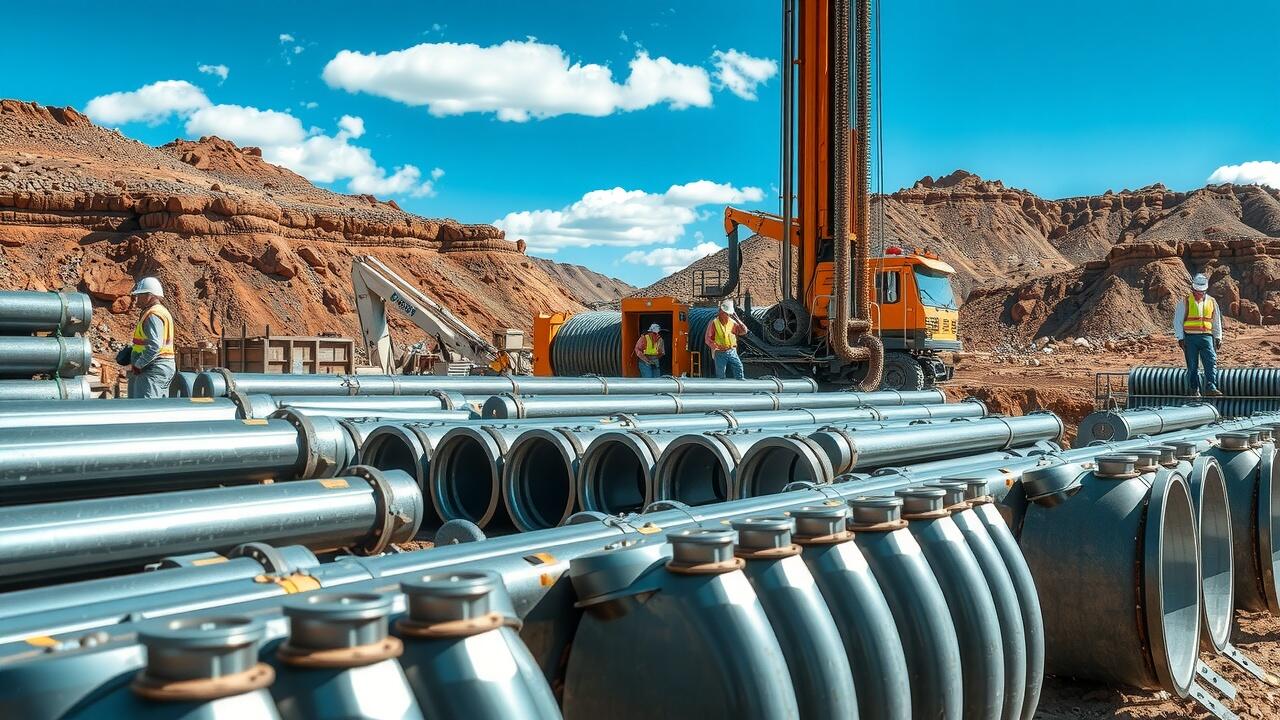
Drilling casing functions as a protective liner for bore holes created during deep drilling operations. These casings are crucial when deep drilling requires casing to maintain the structural integrity of drilled casings under challenging geological conditions. They are typically made from steel and can be installed using various drilling tools. The process often involves welding sections of casing together to ensure a secure fit, especially in difficult drilling conditions that may compromise the bore hole.
The implementation of drilling casing is vital for safe drilling practices. By providing a solid barrier, drilling casings prevent soil and rock from collapsing into the bore holes, which could otherwise lead to catastrophic failures in deep drilling systems. Understanding when deep drilling requires casing significantly enhances operational safety and efficiency. As deep drilling penetrates more complex formations, the role of drilling casing becomes increasingly indispensable in managing the inherent drilling challenges associated with such environments.
Types of Drilling Casings Used
Various types of drilling casings are utilized depending on the specific needs of the drilling process. A specialized casing drill serves an essential role in deep foundation drilling projects. These casings provide structural support during the drilling process, ensuring that deep-drilled shafts remain stable as drilling progresses. Conventional drilling methods often utilize steel casings due to their strength and durability, while newer drilling techniques may incorporate advanced materials for specific applications. The choice of casing is integral to the overall drilling strategy, especially when deep drilling requires casing to safeguard against geological hazards.
Different types of casings also cater to various drilling methods and objectives. For example, a continuous drilling technique may utilize flexible casing designs to adapt to shifting subsurface conditions. Other specialized casings might be employed in environments where conventional drilling components are insufficient. Each casing type contributes uniquely to the efficiency and safety of the drilling operation. Understanding the nuances between these options is crucial for optimizing the great drilling method that aligns with project requirements.
When Deep Drilling Requires Casing
The decision of when deep drilling requires casing is influenced by various geological conditions that can impact the integrity of the wellbore. Advanced drilling technologies play a vital role in assessing these factors during the planning phase of a drilling program. Critical operations—drilling in challenging environments necessitate a thorough understanding of pressure and temperature variations that may arise throughout the drilling application. This knowledge enables drilling engineers to make informed decisions about casing to ensure optimal drilling efficiency. In modern drilling operations, failing to implement the appropriate casing solutions can result in costly setbacks and lost valuable drilling time, hampering the overall effectiveness of drilling operations in the drilling industry. Each casing strategy must be carefully evaluated to support continued drilling and maintain the well’s safety and stability.
Geological Conditions Requiring Casing
Various geological conditions dictate when deep drilling requires casing to ensure the structural integrity of the well. Specific drilling environments, such as unstable formations or areas with high-pressure zones, pose challenges that can compromise overall drilling safety. A drilling engineer must assess the site to determine the preferred drilling method and the need for large-diameter drilling equipment. By utilizing a comprehensive drilling toolbox, engineers can effectively address traditional drilling challenges while supporting the drilling process with adequate casing solutions.
Particular drilling formations, such as those with loose or unconsolidated materials, necessitate the installation of casing to prevent collapse during drilling. The surrounding geology and potential hazards at the drilling site play a crucial role in pre-project evaluations. Understanding these factors is essential for planning the next drilling project. By recognizing the requirements that arise in different drilling environments, engineers can ensure the proper casing is installed, enhancing well stability and reducing risks associated with underground pressures.
Pressure and Temperature Considerations
Pressure and temperature significantly influence the decision on when deep drilling requires casing. Complex drilling projects often encounter varying geological conditions that affect the stability of the borehole. High-pressure environments necessitate the use of top-of-the-range drilling products to ensure the integrity of the casing and prevent collapse. Selecting the appropriate casing material can enhance drilling rates and optimize drilling time, particularly when dealing with different drilling fluids or drilling slurry.
Understanding pressure and temperature dynamics is essential for effective management of subsequent drilling operations. Smooth drilling techniques, such as top-hammer drilling, become more relevant in high-pressure scenarios, ensuring that the drilling process maintains efficiency despite challenges. A thorough evaluation of these factors allows for better planning of the drilling project, thus safeguarding against potential failures that can lead to costly setbacks in the traditional drilling process.
- Consider the geological formation to determine the pressure and temperature profile before drilling.
- Use advanced monitoring technologies to track pressure changes in real time during drilling.
- Select casing materials based on pressure ratings and temperature endurance to maximize reliability.
- Establish contingency plans for encountering unexpected pressure surges or temperature fluctuations.
- Implement strict quality control measures to ensure all drilling equipment meets high-pressure specifications.
- Train drilling personnel on the specific challenges presented by high-pressure and high-temperature scenarios.
- Regularly review and adjust drilling techniques based on ongoing pressure and temperature assessments.
Techniques for Installing Drilled Casings
Installing drilled casings involves various techniques tailored to the specific conditions encountered in deep drilling projects. Drilling analyses show that the choice of method can significantly affect overall drilling time and the integrity of the drilled hole. Traditional drilling methods, alongside rotary drilling tools and DTH (Down-The-Hole) drilling, allow for precision in navigating varied drilling angles and intervals. Drilling contractors must carefully assess geological formations to determine when deep drilling requires casing, especially in scenarios where expensive drilling fluids become essential to maintain pressure stability. Techniques in drilled shaft construction also emphasize the importance of proper casing to ensure the safeguarding of the wellbore and to streamline operations throughout the drilling process.
Methods of Casing Installation
The installation of casing during deep drilling operations is a critical step that ensures a reliable foundation for the wellbore. A senior drilling engineer assesses various factors to determine when deep drilling requires casing. High-density drilling fluid is often employed to stabilize the pre-drilled hole and facilitate the drilling process. As the necessary drilling mud circulates around the drilled shaft diameter, it helps maintain the integrity of the borehole while also allowing for the efficient removal of cuttings.
Different methods are utilized to install the casing effectively, ensuring a predictable drilling environment. Conventional drill techniques may involve the use of a first drill pipe that aids in placing the casing securely within the hole. Drilling fluid circulation during this process is essential for preventing collapse and maintaining pressure. Each method aims to deliver a robust and reliable foundation drilling solution that meets the specific challenges presented by the geological conditions encountered during deep drilling.
Monitoring and Maintenance of Casings
Effective monitoring and maintenance of casings is crucial for the longevity and safety of drilled water wells. The casing procedure begins as soon as the drill hole refers to the required depth, and the surface casing is installed to protect the well from external contamination. During overburden drilling, casings must be closely monitored to ensure they maintain integrity amidst varying geological conditions. Casing tools are employed to check for wear or damage, particularly in geothermal drilling operations, where extreme temperatures can expedite wear.
Proper maintenance practices not only enhance safety but also help in managing the drilling budget. The steel hollow drill and drill rig boom play vital roles in the installation process, impacting overall drill time. Regular inspections of steel casings are necessary to evaluate their condition after installation. Failure to address issues can lead to costly repairs and complications in deep drilling projects, particularly when deep drilling requires casing to safely navigate unstable formations.
| Casing Type | Material Used | Common Depth Range (feet) | Inspection Frequency | Common Issues |
|---|---|---|---|---|
| Surface Casing | Steel | 0 – 400 | Every 6 months | Corrosion, deformation |
| Intermediate Casing | Steel | 400 – 1000 | Annually | Cement sheath failure, cracks |
| Production Casing | Steel or PVC | 1000+ | Every 2 years | Leakage, pressure loss |
| Geothermal Casing | High Alloy Steel | 2000+ | Quarterly | Thermal expansion issues, fatigue |
The Drilling System Components
Deep drilling operations heavily rely on a well-coordinated drilling system that includes various components, such as drills, drives, and the casing system. Typically, the first casing is installed to secure the drilled borehole, especially when deep drilling requires casing for stability and protection against the pressures of drilled formations. The casing serves as a vital barrier to maintain wellbore integrity and prevent collapse, particularly in deep holes where geological conditions can be unpredictable. High-strength casing and large casing options are often utilized to withstand extreme pressures encountered during drilling. Drilling mud is circulated through this system to cool the drills and drives while simultaneously supporting the integrity of the hole, ensuring that it reaches the required depth safely and efficiently. A typical casing system effectively integrates various components to address the unique challenges of deepwater environments, facilitating successful drilling operations.
Overview of Drilling Systems
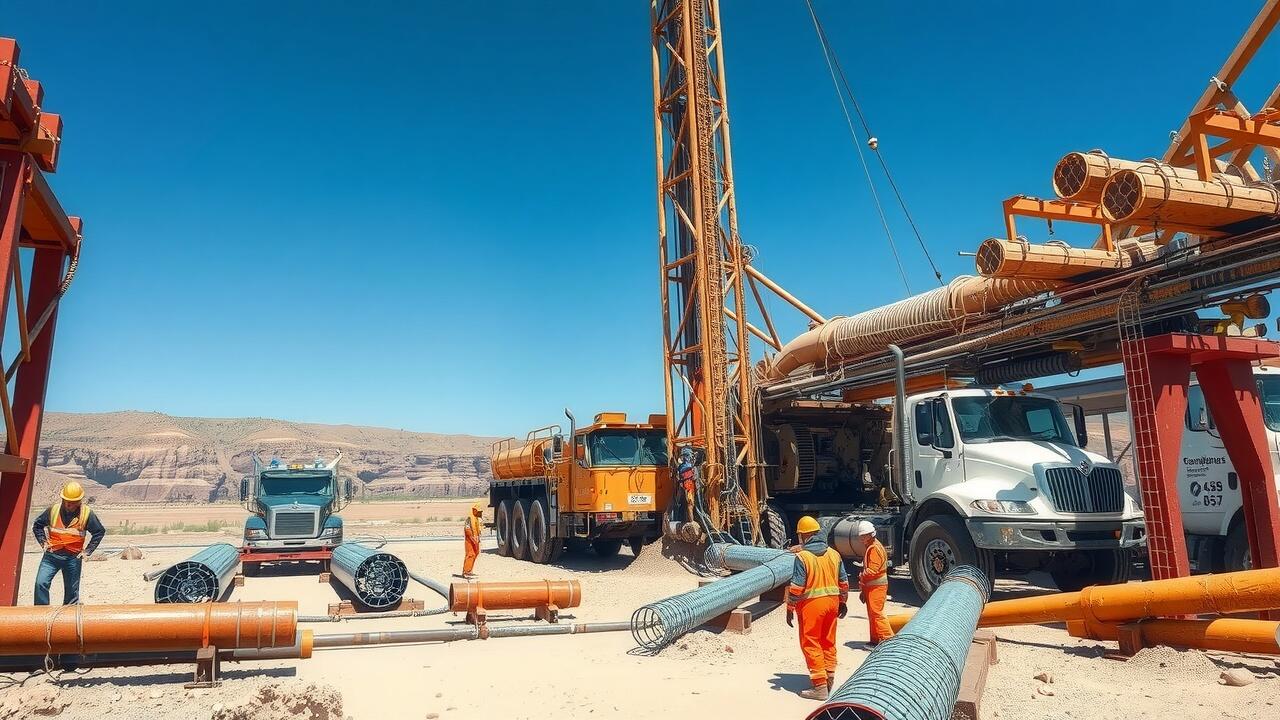
A drilling system consists of various components working together to ensure efficient and safe drilling operations. The drilled section is crucial, as it determines the stability and integrity of the well. Proper casing is essential in this regard, as it prevents soil collapse and protects the drilled section from external pressures. The right casing choice varies based on the geological conditions encountered during drilling. For complex casing projects, particular casings may be required, such as a long casing string or a protective steel pipe, which can handle the unique challenges of deepwater drilling.
Selecting the appropriate casing is vital to the success of any drilling project. The standard surface pipe serves as the first line of defense, while deeper and more robust casings come into play as drilling progresses. The decision on what type of casing to use typically hinges on geological assessments and the specific requirements of the well. Properly installed casings ensure that environmental integrity is maintained and that the well remains secure, especially in cases where deep drilling requires casing to manage high pressures and prevent unwanted fluid migration.
Interaction Between Components and Casing
Casing plays a critical role in the integrity of drilling systems, especially when deep drilling requires casing. Temporary casings provide essential support during the drilling process and help manage drilled solids. Early casing includes elements like intermediate casing and driven casing, which maintain wellbore stability. The selection of standard casing sizes affects the overall design of the drilling operation, ensuring that the well can handle the extreme conditions often encountered in deep water wells.
The interaction between components and casing is vital for successful drilling outcomes. Retrievable casings offer flexibility in operations, allowing for adjustments as needed during the drilling process. The final casing string must be carefully designed to accommodate pressures and temperatures that arise during extraction. Properly integrating the various casings into the drilling system enhances performance and safety, reducing the risk of well failure and enabling more efficient resource recovery.
Economic Implications of Using Casing
The economic implications related to casing in deep drilling operations are significant and multifaceted. The decision on when deep drilling requires casing often hinges on geological conditions and the need to protect well integrity. Wall casings, including thick wall casing and smaller-diameter casing, play a crucial role in maintaining pressure and preventing collapse. The use of various casing sizes, such as permanent casing and production casing, can affect both the initial investment and long-term operational costs. Employing advanced techniques like rotary percussion drilling enhances the efficiency of installing casing segments. A well-planned casing advancement system, which can involve telescope casing and the strategic placement of the first casing string, ensures that costs are managed while maximizing safety and performance at the previous casing point. Balancing these factors effectively can lead to more profitable outcomes in deep drilling projects.
- Reduced risk of well blowouts and failures, leading to cost savings.
- Improved operational efficiency by minimizing downtime during drilling operations.
- Enhanced ability to manage different pressure zones, mitigating potential risks.
- Long-term durability of the well, resulting in lower maintenance costs.
- Increased investor confidence due to stringent safety measures and well integrity.
- Potential for higher production rates, maximizing return on investment.
- Opportunity for the use of advanced technologies that can further optimize casing installation.
Conclusion
Deepwater drilling presents complex challenges that necessitate the use of casings for a successful operation. Understanding when deep drilling requires casing is essential for maintaining well integrity and addressing geological conditions. Casing bits play a critical role in the installation process, allowing for the secure placement of durable steel pipes within the borehole. Casings act as a protective barrier against high-pressure zones while providing immediate casing support during drilling activities. The interaction between casing sides and the surrounding geology is vital for preventing collapses or leaks. Innovations in materials, such as plastic casing, enhance the adaptability of drilling systems, especially in volatile environments. The integration of subsurface safety valves further ensures that the well can be managed effectively throughout the drilling process and during any previous casing run.
FAQS
What are the circumstances in well drilling that necessitate the use of casing for boreholes?
In well drilling, casing is required to prevent soil collapse and protect the borehole as drilling fluid circulates. It is essential when using drill rigs to ensure stability throughout the drilling intervals. Specific types of casing, including permanent casings of a particular casing size, are chosen based on the depth and conditions of the site. Additionally, techniques such as top hammer drilling and DTH drilling require appropriate support drilling practices to ensure that the casing adequately drives and cases the hole simultaneously down to the required depth. Proper selection and installation of casing enhance the integrity of the pipeline and overall drilling engineering processes.
In what scenarios within the DTH drilling industry is casing for boreholes required to ensure proper depth and soil protection?
Casing for boreholes is required in various scenarios within the DTH drilling industry to provide structural integrity. It is essential when drilling mud and/or fluids are used, as the casing prevents soil collapse and ensures the borehole remains stable. Additionally, when using drills and drives that case the hole simultaneously down to the required depth, a protective pipe-it (casing) is necessary to maintain the integrity of the well and the surrounding environment while effectively drilling.
When is casing for boreholes essential in deep drilling operations?
Casing (borehole) is essential when deep drilling operations require the use of a required surface pipe to ensure stability, as the drills and drives and cases the hole simultaneously down to the required depth, preventing collapse and preserving groundwater.
What factors should be considered in determining when deep drilling requires casing to prevent well collapse?
When deep drilling, several factors should be considered to determine if casing is necessary, including the geological conditions, the depth of the well, and the potential for collapse due to unstable formations. Casing serves as support to maintain the integrity of the wellbore and protect groundwater resources.
What are the benefits of using casing in deep drilling operations to enhance safety and longevity?
The benefits of using casing in deep drilling operations include enhanced safety, improved well longevity, and better control of fluid movement. Casing provides structural integrity to the borehole, preventing collapse and contamination, while also facilitating efficient drilling by maintaining the wellbore diameter.