
In Southern California, winter doesn’t usually bring frozen ground—but SoCal winter ground conditions can still create real construction risk. Seasonal rain, cooler nights, and saturated soils can change how the ground behaves almost overnight, impacting everything from equipment access to load-bearing capacity, slope stability, and the performance of foundation systems. If you’re planning drilling, caissons, shoring, retaining walls, or hillside work during the wet season, understanding what winter does to the soil is one of the best ways to protect your schedule and your structure.
Unlimited Drilling & Foundations works with contractors and property owners throughout Southern California to evaluate site conditions, recommend project-specific solutions, and execute drilling and stabilization work built to handle seasonal stress. Below is a practical guide to winter ground behavior in SoCal, why it matters, and what you can do before breaking ground to reduce delays and prevent long-term foundation issues.
Why Winter Ground Conditions Matter in Southern California
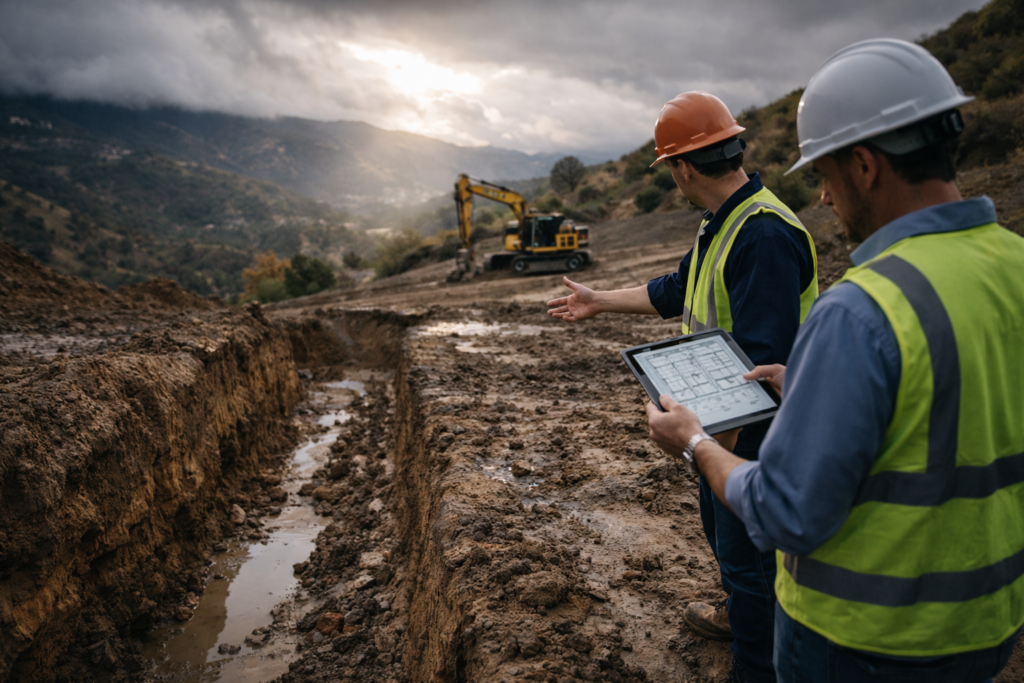
Even “mild” winters can be disruptive because many local sites include clay-rich soils, loose granular soils, graded lots, and hillside properties. When winter rain increases moisture content, the soil can lose strength, shift more easily, and place additional pressure on retaining systems. As Unlimited Drilling & Foundations notes in its winter soil stability guidance, saturated soil can contribute to settlement, slope movement, and even landslides—especially on sloped lots and in hillside neighborhoods. Planning for the wet season is not just about comfort; it’s about maintaining safety and structural reliability.
Winter is also a time when soil stability becomes more volatile. Conditions can change quickly with a storm system, and what looked “workable” during a dry week may behave very differently after a few inches of rainfall. That’s why winter projects often benefit from earlier site assessments, more robust stormwater controls, and a drilling plan designed for saturated or variable soil conditions.
Common SoCal Winter Ground Conditions (and What They Do to a Job Site)
Southern California winter weather tends to create a handful of repeat soil and site challenges. Knowing what to expect helps you choose the right foundation approach and avoid preventable rework.
1) Increased Soil Saturation
Winter rains can oversaturate both surface and subsurface soils. In practical terms, saturation can reduce load-bearing capacity, soften the working surface, and make drilling more difficult. Saturated soil can also increase the likelihood of settlement once loads are introduced—especially if the soil wasn’t properly evaluated and stabilized before foundation work begins.
2) Surface Erosion and Runoff
Rain runoff can strip topsoil from graded lots and undermine slopes. This matters for both safety and performance. Erosion can destabilize excavation edges, expose weak soil layers, and create conditions where additional stabilization or shoring becomes necessary to continue work safely.
3) Hydrostatic Pressure
When water accumulates behind retaining walls or in unprotected excavations, it creates hydrostatic pressure—additional force that can cause shifting, cracking, or wall failure if the system is not designed and installed correctly. Winter is when hydrostatic pressure issues often show up because drainage pathways are tested by repeated storms and wetter ground.
4) Expansion and Contraction Cycles
Even without hard freezes, Southern California sees daily temperature variability and seasonal moisture swings. Some soils expand when wet and shrink when dry. Over time, that movement can affect foundations and retaining structures—especially where the ground is already disturbed by excavation or drilling.
How Winter Weather Impacts Drilling and Foundation Work
Unlimited Drilling & Foundations outlines several winter-specific impacts that show up on drilling and geotechnical construction projects. Here’s what those impacts typically look like on active job sites.
Soil Instability Creates Safety and Productivity Challenges
Once soil is saturated, it becomes more prone to shifting. That can create hazardous conditions for both equipment and crews—particularly on sloped lots and hillside sites. Softened ground can also make it harder to stabilize drill rigs and maintain clean, consistent excavation conditions. The result is often slower production and a higher risk of schedule disruption.
Higher Landslide Risk in Steep or Loose Terrain
Many parts of Southern California include steep terrain and soils that can be vulnerable after rainfall. Winter storms can increase landslide risk, which is why hillside drilling and stabilization often require specialized planning and reinforcement during and after rain events.
Access and Mobility Issues
Muddy or flooded access roads can delay mobilization. Even small access problems can snowball when heavy equipment cannot reach the drilling location on time—or when the site needs cleanup before work can safely resume.
Temperature Variability Can Still Affect Drilling
While widespread freezing is uncommon, cooler nights and cold snaps can harden near-surface soils in some inland or higher-elevation areas, increasing resistance and affecting drilling speed. In addition, repeated day/night cycles can contribute to subtle expansion and contraction in certain soils, especially when combined with saturation.
Scheduling Pressure Increases During Winter
Winter introduces practical scheduling issues that aren’t strictly “soil problems,” but still affect the job:
- Weather unpredictability: Storm timing can vary by microclimate, leading to unexpected downtime.
- Shorter daylight hours: Reduced working time can put pressure on production goals.
- Permitting and inspection delays: Municipal schedules can slow around the holidays, extending timelines independent of field conditions.
What Contractors Can Do Before Breaking Ground
Winter doesn’t have to derail a project—but it does reward teams that plan for moisture, stability, and access. Unlimited Drilling & Foundations emphasizes proactive evaluation and winter-ready site planning as the foundation for safer, more predictable work.
Start with a Site Evaluation That Reflects Current Conditions
Before initiating drilling or foundation work, a winter-focused evaluation should consider factors like moisture content, drainage capability, soil composition, load-bearing capacity, and slope stability. A key point from Unlimited Drilling’s winter soil and December ground condition guidance is that decisions should be based on current site realities—not outdated assumptions from a drier season.
Build “Rain Days” and Cleanup Time into the Schedule
If your timeline assumes uninterrupted production, winter is likely to challenge it. Planning for rain delays helps you avoid rushed decisions that compromise safety or quality. It also reduces the pressure to “push through” soft or unstable conditions that could lead to rework.
Use Stabilization and Stormwater Controls Early
Winter projects often benefit from erosion and stormwater control measures to keep runoff from compromising the work zone. Depending on the site, solutions can include temporary drainage redirection, erosion control strategies, and stabilization methods that maintain safe conditions on slopes and excavations.
Match the Foundation Approach to Wet-Season Soil Behavior
When near-surface soils are moisture-affected, deep foundation systems can help transfer loads to more stable layers. For projects that require deep support, caisson drilling is commonly used to bear loads below the soil zones most impacted by seasonal moisture changes.
To learn more about deep foundation drilling, visit: Drilling & Caissons.
Solutions Commonly Used During SoCal Winters
Unlimited Drilling & Foundations frequently supports winter projects with services designed to address saturated soil, slope risk, and excavation safety. Depending on your site, the right approach may include one or more of the following:
- Slope stabilization: Reinforcing hillsides and sloped lots to reduce movement risk during and after the rainy season.
- Shoring systems: Securing excavation areas against collapse or erosion when soils are saturated or unstable.
- Retaining wall installation: Installing retaining systems designed to manage soil movement and account for winter hydrostatic pressure.
- Caisson drilling: Implementing deep foundation elements that support structural loads below moisture-affected soils.
Winter work isn’t only about having the right service on the proposal—it’s about sequencing, execution, and ensuring the selected system is compatible with the site’s moisture behavior and stability demands.
Winter Ground Conditions: Quick-Reference Checklist
If you’re planning drilling, excavation, or foundation work during the winter season, use this checklist to reduce surprises:
- Verify current moisture conditions and don’t assume the soil behaves the same as it did in summer.
- Review slope and hillside risk, especially between December and March when vulnerabilities increase.
- Plan for erosion and runoff management before the first major storm hits your site.
- Confirm access routes for equipment and consider how mud or runoff could restrict mobility.
- Build flexibility into the schedule for weather delays and post-rain cleanup.
- Coordinate inspection timing to avoid holiday-season bottlenecks.
- Choose foundation and stabilization methods that address wet-season load-bearing and movement risk.
Plan for the Wet Season and Build with Confidence
Winter in Southern California may not bring heavy freezes, but it does bring rain-driven soil changes that can affect stability, safety, and performance. Contractors and property owners who understand how moisture impacts load-bearing capacity, slope movement, and excavation behavior are more likely to stay on schedule—and more likely to avoid structural issues that show up after the build is complete.
If you’re preparing for a winter project or evaluating a site with slope or saturation concerns, Unlimited Drilling & Foundations can help you assess risk, select the right drilling and stabilization strategy, and complete the work with winter conditions in mind.
Contact us to schedule a site assessment and discuss winter-ready drilling, foundation, and stabilization solutions for your Southern California project.